Urban Engineers, Inc. (Urban) joined the City of Philadelphia, Pennsylvania Department of Transportation (PennDOT), and project partners to celebrate the ribbon-cutting of the Schuylkill Crossing Swing Bridge, a new pedestrian and bicycle connection along the Schuylkill River Trail.
Urban provided Construction Management and Construction Inspection (CM/CI) services for the project on behalf of PennDOT, District 6-0, and the City of Philadelphia, Streets Department.
“It's great to finally see the Schuylkill Crossing Swing Bridge open and being used by the public. This was a unique and challenging project, with many moving pieces that required close coordination among the City, PennDOT, the contractor, the design team, and everyone involved,” said Brennan Flanagan, PE, Resident Engineer, Urban Engineers. “Having been involved in the construction management effort as the Resident Engineer, it's been rewarding to work through the various phases of the project and see everything come together. I'm proud to have been part of the team that helped make this bridge a reality, and it's especially satisfying to see the connection it provides for users of the Schuylkill River Trail.”
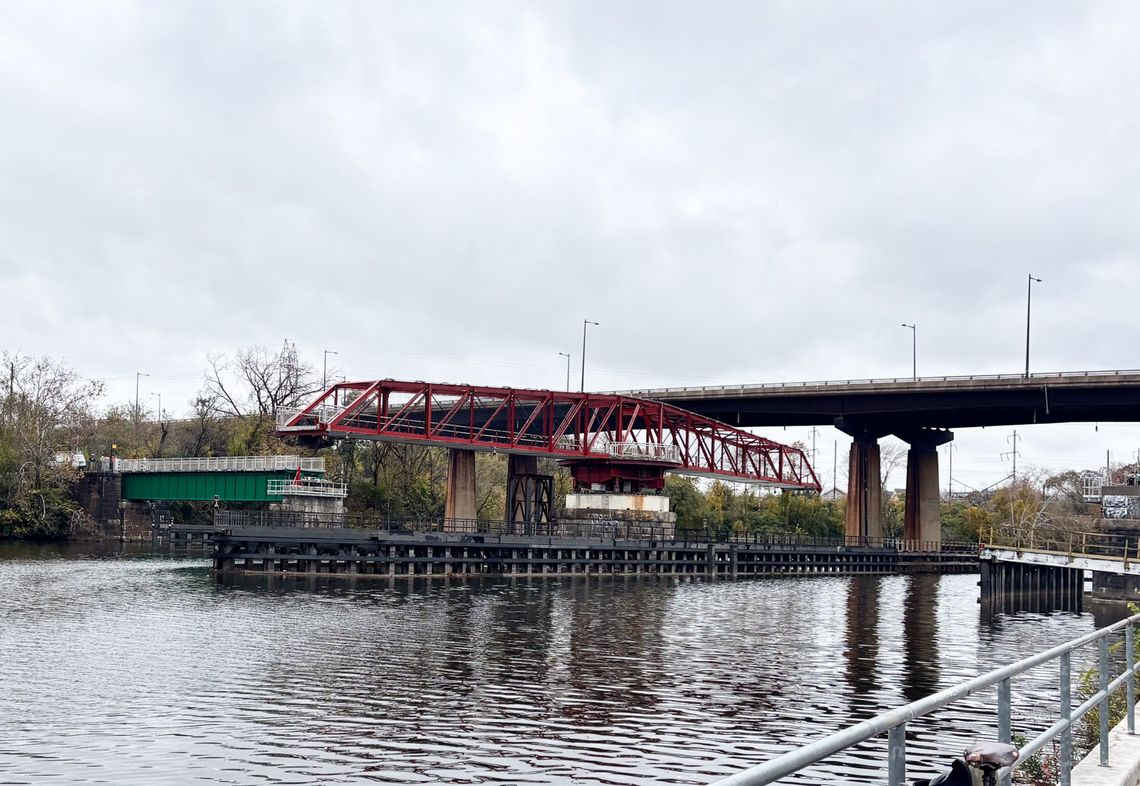
Located alongside the Grays Ferry Avenue Bridge, the new ADA-accessible crossing connects the Grays Ferry Crescent section with the trail leading toward Bartram's Garden, providing a convenient route between South and Southwest Philadelphia.
The crossing has a long history, dating back to the first bridge built here in 1838. The project included rehabilitating the historic approach spans, replacing the former railroad swing span with a new steel truss, and installing modern systems that allow the bridge to open for river traffic while accommodating pedestrians and cyclists.
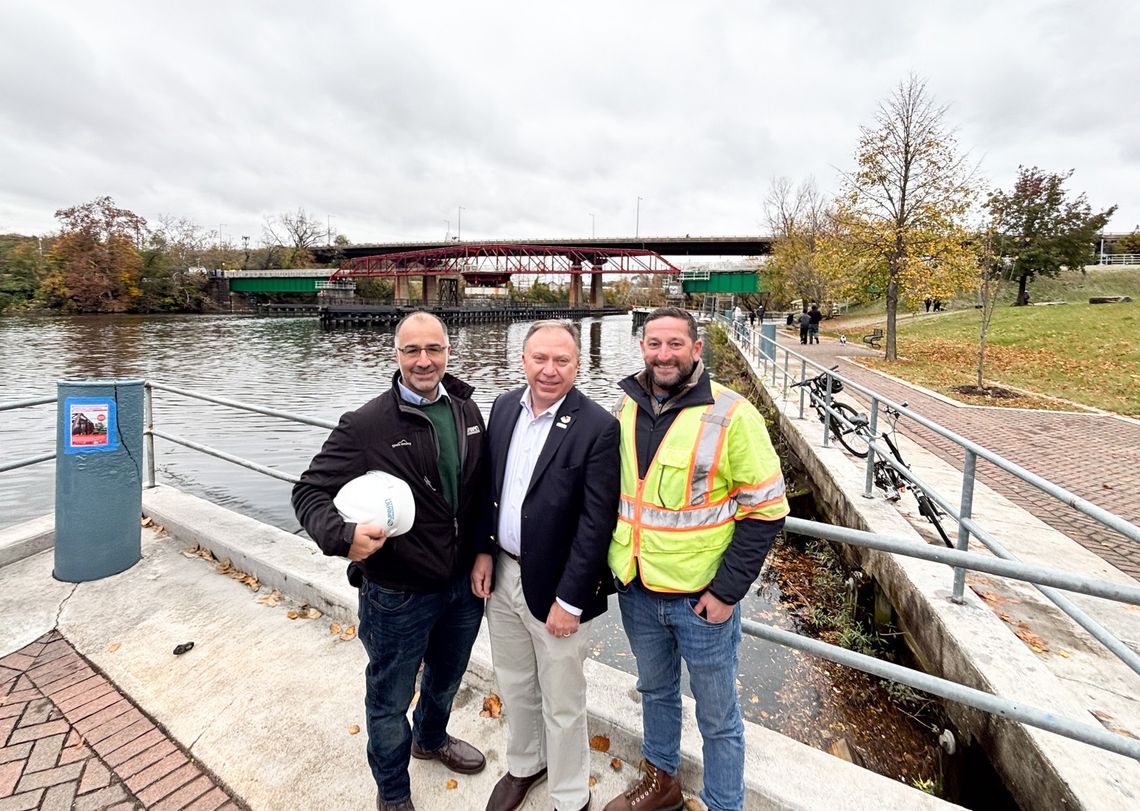
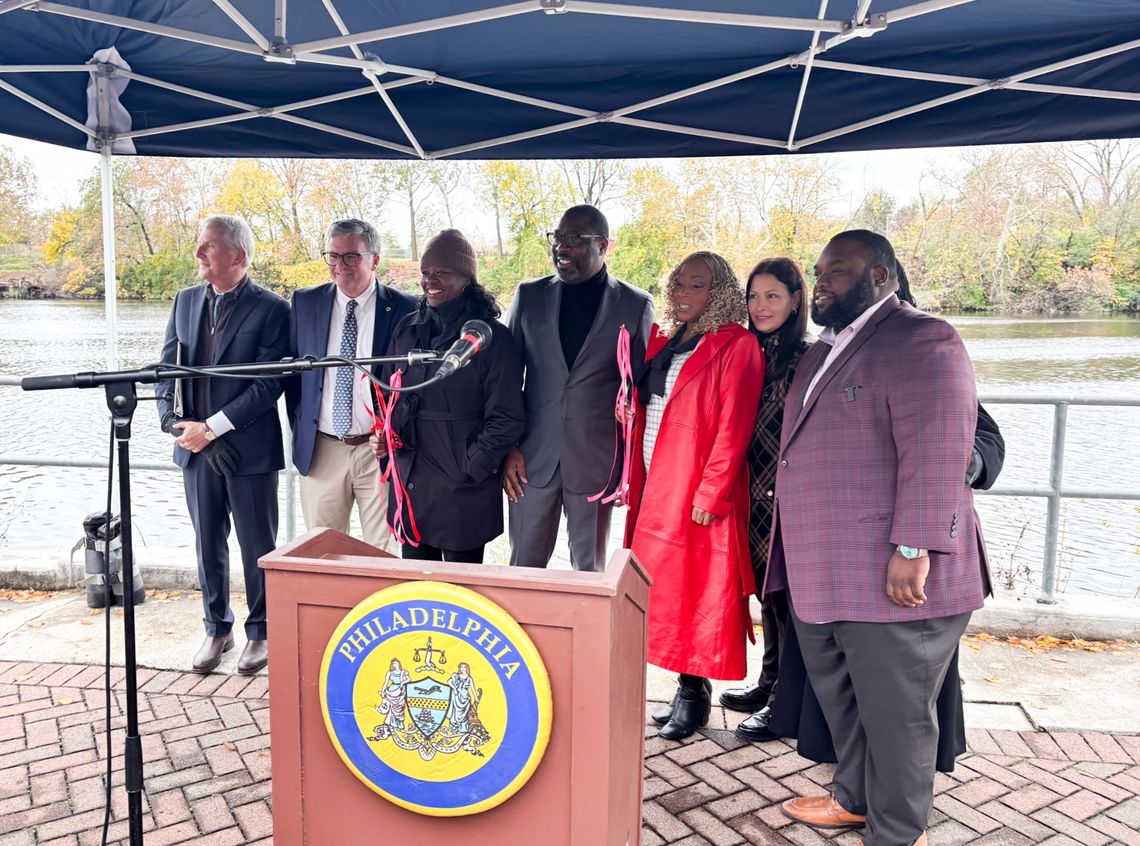
The ribbon-cutting included city and state officials, among them Philadelphia Managing Director Carlton Williams, City Council President Kenyatta Johnson, Pennsylvania House Speaker Joanna McClinton, State Representative Jordan Harris, and Pennsylvania Transportation Secretary Mike Carroll. Speakers recognized the collaboration and coordination involved in completing the project.
The project was funded by the Commonwealth of Pennsylvania, the City of Philadelphia, and the Federal Highway Administration (FHWA) through the Transportation Investment Generating Economic Recovery (TIGER) Program.
The completed bridge preserves an important piece of Philadelphia's transportation history while providing a new connection for residents and visitors along the Schuylkill River Trail.